Phone: 01778 343210
    Powerplant Ltd - Generator Solutions
    • Home
    • About Us
    • Generator Solutions
      • Diesel Generators
      • Petrol Generators
      • Teksan Generators
      • Pramac Generators
      • Himoinsa Generators
    • Service & Maintenance
    • Used Generator Sales & Purchase
    • Testimonials
    • Privacy Policy
    • Contact Us
      • Generator Installation & Servicing in Stamford
      • Generator Installation & Servicing in Peterborough
      • Generator Installation & Servicing in Bourne
    • Powerplant Ltd. Blog
    • Menu Menu
    News

    Top 5 Reasons Businesses Rely on Backup Generators

    In the ever-evolving landscape of business operations, ensuring an uninterrupted power supply has become crucial. Power outages can lead to significant disruptions, affecting productivity, data integrity, and overall business continuity. This is where commercial backup power solutions, like emergency generators, play a vital role. They not only safeguard operations but also provide peace of mind, knowing that your business can withstand unforeseen power disruptions.

    Ensures Continuous Operations During Power Outages

    Power outages can strike unexpectedly, causing operational downtime that can be costly and damaging to a business’s reputation. Backup generators provide an immediate standby power supply, ensuring that critical systems remain operational. This is particularly important for data centres, where maintaining critical power is essential to protect data integrity and prevent loss. For more information on power cuts, you can visit Ofgem’s website.

    Supports Business Continuity and Emergency Preparedness

    Having a robust business continuity plan is essential for resilience. Backup generators are a key component of emergency preparedness, ensuring that essential services continue to operate during a crisis. This resilience planning with generators helps businesses maintain operations and meet regulatory compliance, as outlined in the UK Government’s guidance on business continuity.

    Protects Critical Infrastructure and Data

    In industries such as healthcare and IT, protecting critical infrastructure is non-negotiable. Backup generators safeguard essential systems like servers, medical equipment, and data centres. This protection ensures workplace safety during outages and prevents costly data losses, making them indispensable for maintaining operational integrity.

    Provides Flexibility Over UPS Systems

    While Uninterruptible Power Supply (UPS) systems offer immediate power during short outages, they are not designed for prolonged disruptions. Generators provide a more sustainable solution for long-term outages, offering flexibility and reliability. Businesses can link internally to generator installers for tailored solutions that meet their specific needs.

    Enhances Operational Resilience and Reputation

    Being prepared for power outages not only enhances operational resilience but also strengthens a business’s reputation. Clients and staff appreciate the foresight and reliability of a company that prioritises continuity and compliance. This proactive approach with emergency generators ensures that businesses remain competitive and trusted in their respective industries.

    FAQs About Backup Generators

    Why do businesses need backup generators?

    Backup generators offer a reliable solution to mitigate operational risks associated with power outages. They ensure that businesses can continue operations without interruptions, protecting both data and infrastructure.

    What industries benefit most from emergency power?

    Industries such as healthcare, IT, manufacturing, and retail greatly benefit from emergency power solutions. These sectors rely heavily on continuous power to maintain critical operations and services.

    How do backup generators help with business continuity?

    Backup generators are integral to risk mitigation strategies, providing a seamless transition during power outages. They complement UPS systems by offering long-term outage coverage, ensuring compliance and operational security.

    Do I need both a UPS and a generator?

    While a UPS is ideal for short-term outages, a generator is essential for extended power disruptions. Together, they provide comprehensive coverage, ensuring that businesses are prepared for any eventuality.

    Enquire About Backup Generator Solutions Today

    Don’t wait for the next power outage to disrupt your operations. Enquire about commercial backup generators today and safeguard your business’s continuity, resilience, and operational security. Speak to our team about emergency generator options and take the first step towards safeguarding your business.
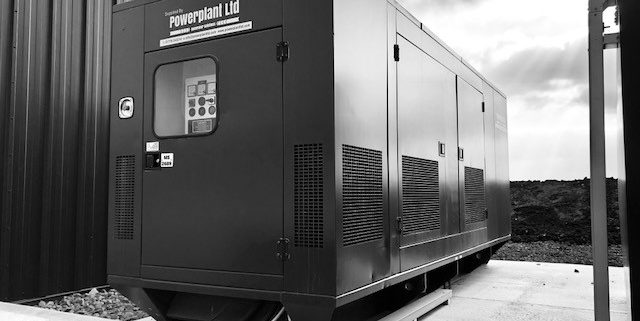
    July 2, 2026/by Mark Joyce
    News

    Common Generator Problems and How Regular Maintenance Prevents Them 

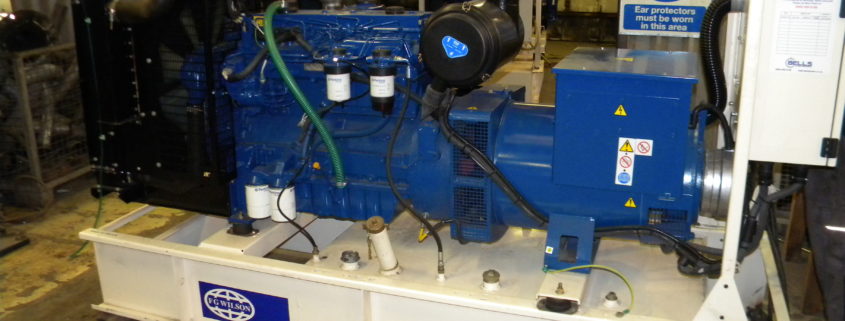
    Refurbished generator unit ready for reuse

    Generators are the backbone of many businesses, ensuring a continuous power supply during outages. However, like any machinery, they are prone to issues that can disrupt operations and incur high costs. Understanding common generator problems and implementing a regular maintenance schedule can mitigate these risks, ensuring reliability and operational efficiency.

    Most Common Generator Problems Businesses Encounter

    Generators, despite their robust design, can face several issues over time. Here are some of the most frequent faults:

    • Battery Failure: Often due to sulphation or a lack of maintenance, battery failure is a leading cause of generator malfunction. Ensuring batteries are regularly tested and replaced as needed can prevent unexpected failures.
    • Fuel System Problems: Contaminated fuel or clogged filters can impede the generator’s ability to function. Regular fuel checks and filter replacements are crucial.
    • Worn Parts: Over time, components such as belts and hoses can wear out, leading to breakdowns. Routine inspections can identify wear before it leads to failure.
    • Overheating: This can result from blocked radiators or low coolant levels. Regular cooling system checks are vital to prevent overheating.
    • Control Panel Faults: Malfunctions in the control panel can prevent the generator from starting or operating correctly. Regular diagnostics can ensure these systems are functioning properly.

    For more information on reporting faults and understanding the risks of downtime, refer to UK Power Networks.

    Why Generators Fail to Start and How to Avoid It

    A generator that won’t start can be a significant headache. Common causes include:

    • Battery Issues: As mentioned, battery problems are a frequent cause of startup failures. Regular testing and maintenance are essential.
    • Fuel Contamination: Water or debris in the fuel can prevent the generator from starting. Regular fuel polishing and filter changes can mitigate this issue.
    • Improper Shutdowns: Failing to follow proper shutdown procedures can lead to issues when restarting. Training staff on correct procedures is crucial.
    • Lack of Load Testing: Without regular load testing, potential issues may go unnoticed until the generator is needed. Scheduled load tests can ensure readiness.

    For more detailed guidance, explore our generator maintenance services.

    How Regular Maintenance Prevents Generator Breakdowns

    Regular maintenance is the cornerstone of generator reliability. Here’s how it helps:

    • Scheduled Servicing: Regular servicing ensures that all components are functioning correctly and any issues are addressed promptly.
    • PPM Checks: Planned Preventative Maintenance (PPM) involves routine checks and servicing to prevent unexpected failures.
    • Inspections: Regular inspections can identify potential problems before they lead to breakdowns.
    • Load Testing: Ensures the generator can handle the required load during an outage.
    • Professional Oversight: Engaging professionals for maintenance ensures that all aspects of the generator’s performance are monitored and optimised.

    For industry best practices, refer to CIBSE maintenance guidelines.

    FAQs About Generator Problems and Maintenance

    What are the most common generator problems?

    The most common issues include battery failure, fuel system problems, worn parts, overheating, and control panel faults.

    Why won’t my generator start?

    Startup issues often stem from battery problems, fuel contamination, and improper shutdowns. Regular maintenance can prevent these issues.

    How can I prevent generator breakdowns?

    Implementing a preventative maintenance schedule and securing service contracts can significantly reduce the risk of breakdowns.

    How often should a generator be inspected?

    For UK businesses, it’s recommended to inspect generators at least once a year, although manufacturer guidelines may suggest more frequent checks.

    Protect Your Generator with a Service Contract or Emergency Repair Plan

    To ensure operational reliability and cost prevention, consider securing a service contract or emergency generator repair plan. These plans offer peace of mind, knowing that expert assistance is just a call away.

    Maintaining your generator is not just about preventing breakdowns; it’s about ensuring your business remains operational, no matter what. For more information, get in touch with us today.

    July 2, 2026/by Mark Joyce
    News

    The Benefits of Choosing a Silent Diesel Generator for Commercial Use 

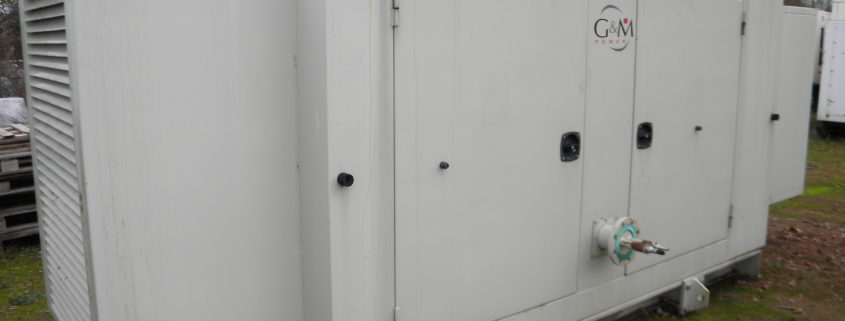
    Powerplant supplied Generator

    In bustling urban environments and commercial settings, noise reduction is a necessity. Silent diesel generators, also known as low-noise or quiet generators, offer a solution that caters to the need for minimal disruption while ensuring reliable power. This blog explores why these generators are a smart choice for businesses in the UK, particularly those in noise-sensitive areas.

    Why Noise Matters in Commercial Settings

    Noise pollution is a significant concern for businesses, affecting not only the comfort of staff but also the experience of clients and the tranquillity of surrounding areas. Excessive noise can lead to a stressful work environment, reduced productivity, and potential health issues among employees. Moreover, businesses must comply with workplace noise regulations to avoid legal repercussions and maintain a positive reputation.

    According to the HSE guidance on workplace noise, managing noise levels is crucial to protect workers’ hearing and ensure compliance with the Control of Noise at Work Regulations 2005. Silent diesel generators, with their noise-compliant features, are designed to operate at lower decibel levels, making them ideal for commercial settings where noise control is paramount.

    Advantages of Silent Diesel Generators

    Silent diesel generators offer numerous operational and environmental benefits that make them an attractive choice for businesses:

    • Reduced Noise Pollution: These low-noise generators are engineered to minimise noise output, creating a more pleasant environment for employees and clients alike.
    • Staff Comfort: By reducing ambient noise, silent generators contribute to a more comfortable and productive workplace.
    • Suitability for Urban Areas or Events: Their low-noise operation makes them perfect for use in urban settings or during events where noise restrictions apply.
    • Improved Client Experience: A quieter environment enhances the overall client experience, which can be crucial for businesses that rely on customer satisfaction.

    These advantages make silent diesel generators a practical choice for businesses looking to balance power needs with environmental and social responsibilities.

    Key Features to Look for in a Silent Generator

    When selecting a silent diesel generator, consider the following features to ensure it meets your business needs:

    • Soundproof Enclosures: These enclosures are essential for reducing noise levels and ensuring compliance with noise regulations.
    • dB Ratings: Check the decibel ratings to ensure the generator operates within acceptable noise levels for your specific setting.
    • Emission Standards: Ensure the generator meets current emission standards to minimise environmental impact.
    • Reliability and Fuel Efficiency: Look for models known for their durability and cost-effective operation.

    For more information on available models, visit our Silent diesel generator and Diesel generators for sale pages.

    FAQs About Silent Diesel Generators

    What is a silent generator?

    A silent generator is designed to operate at significantly lower noise levels than standard diesel generators. They achieve this through advanced soundproofing technologies and are ideal for noise-sensitive environments.

    How quiet are silent diesel generators?

    Silent diesel generators typically operate at noise levels ranging from 60 to 75 dB, comparable to normal conversation levels, making them much quieter than standard models.

    Are silent generators suitable for offices or events?

    Yes, silent generators are perfect for offices and events due to their low noise output, ensuring minimal disruption in environments where quiet operation is essential.

    Do silent generators cost more than standard models?

    Although silent generators may have a higher initial cost, they can deliver long-term savings through reduced noise-related disruptions and potential compliance costs, making them a worthwhile investment.

    Enquire About Silent Diesel Generators Today

    Ready to enhance your commercial site’s power solutions with a silent diesel generator? Enquire about our models today to experience the benefits of compliance, reduced noise, and improved staff and client comfort. Visit our Diesel generators for sale page or discuss your commercial site requirements with our team to find the perfect solution for your needs.

    Silent diesel generators are not just about reducing noise; they’re about creating a better environment for your business and its stakeholders. Make the switch today and enjoy the peace of mind that comes with a quieter, more efficient power solution.

    July 2, 2026/by Mark Joyce
    News

    Diesel vs Petrol Generators: Which is Best for Your Business?

    Choosing the right generator for your business is a crucial decision, as it can significantly impact operational efficiency and long-term costs. With options ranging from diesel to petrol generators, understanding the differences in fuel type, efficiency, and operational costs is vital.

    This guide aims to help UK business owners, facilities managers, and site managers make an informed choice between diesel and petrol generators.

    Diesel Generator Advantages

    Diesel generators are renowned for reliability and efficiency, making them a popular choice for businesses needing consistent power. Here are some key advantages:

    • Reliability: Diesel generators are built to withstand heavy usage, making them ideal for industrial applications where power consistency is critical.
    • Fuel Efficiency: They are more fuel-efficient than petrol generators, which translates to lower operational costs over time. This efficiency is particularly beneficial for long-term use.
    • Longer Lifespan: Diesel engines typically have a longer lifespan compared to petrol engines, reducing the need for frequent replacements.
    • Suitability for Standby Applications: Diesel generators are well-suited for standby applications, providing reliable backup power during outages.

    For more information on silent diesel generators, visit our silent diesel generator page.

    Petrol Generator Pros and Cons

    Petrol generators offer certain benefits, especially for businesses with specific needs:

    • Portability: These generators are generally lighter and more portable, making them suitable for businesses that require mobility.
    • Upfront Cost: Petrol generators usually have a lower initial purchase price, which can be appealing for small businesses or those with budget constraints.
    • Short-term or Small-scale Use: They are ideal for short-term projects or small-scale operations where power demands are not extensive.
    • Higher Fuel Costs: Despite their lower upfront cost, petrol generators have higher fuel costs and may require more frequent refuelling.
    • Maintenance Considerations: Petrol engines typically require more maintenance than diesel engines, which can add to long-term costs.

    Explore the range of petrol generators available on our generator solutions page.

    Comparing Fuel Efficiency and Running Costs

    Understanding the cost implications of running a diesel versus a petrol generator is crucial for making an informed decision:

    • Fuel Consumption: Diesel generators are generally more fuel-efficient, consuming less fuel for the same power output compared to petrol generators.
    • Energy Efficiency: The energy efficiency of diesel generators often results in lower running costs, making them a cost-effective choice for businesses with high power demands.
    • Running Costs: While diesel generators have higher upfront costs, their lower fuel consumption and maintenance needs can lead to significant savings over time.

    For up-to-date petrol and diesel price trends, head to the RAC Fuel Watch.

    Choosing the Right Generator for Your Business

    When selecting a generator, consider the following factors:

    • Power Output Needs: Assess your business’s power requirements to ensure the generator can meet your demands.
    • Portability vs Standby: Decide whether you need a portable generator for mobility or a standby generator for reliable backup power.
    • Budget: Balance the initial costs with long-term operational expenses to find a generator that fits your financial plan.
    • Long-term Operational Goals: Consider your business’s growth and future power needs when making your choice.

    To explore available models, visit Petrol & diesel generators for sale.

    FAQs About Diesel and Petrol Generators

    Is a diesel generator better than a petrol generator?

    Diesel generators are generally more reliable and have a longer lifespan, making them suitable for continuous or heavy-duty use. Petrol generators are better for short-term or portable applications.

    Which type of generator is more fuel-efficient?

    Diesel generators are typically more fuel-efficient, making them a cost-effective option for businesses with high power demands.

    Is petrol the best choice for a commercial generator?

    Petrol generators are suitable for small-scale or temporary applications but may not be ideal for long-term commercial use due to higher fuel costs and maintenance needs.

    What is the lifespan of a diesel generator?

    With proper maintenance, diesel generators can last 10,000–30,000 operational hours, providing reliable power for many years.

    Enquire About the Right Generator for Your Business

    Choosing the right generator is crucial for ensuring your business’s operational efficiency and cost-effectiveness. For expert advice and to explore our petrol and diesel generator range, get in touch with our team today. We are dedicated to providing reliable, cost-effective, and expert guidance tailored to your business needs.

    By understanding the differences between diesel and petrol generators, you can make an informed decision that aligns with your business’s power requirements and budget.

    July 2, 2026/by Mark Joyce
    News

    How Often Should You Service a Generator? A Complete Guide for Businesses

    How Often Should You Service a Generator? A Complete Guide for Businesses

    For businesses in the UK, having a reliable power source is essential. Generators provide vital backup power when the mains fail, helping avoid costly downtime. However, a generator only works well if it is properly maintained. This guide explains why generator servicing matters, how often it should be done, and what business generator maintenance usually involves. Understanding this will help you keep your power supply secure and comply with safety rules.

    Generator Service and Repair

    Why Regular Generator Servicing is Essential for Businesses

    Regular servicing keeps your generator ready to operate in an emergency. It helps find faults early and prevents breakdowns that could stop your business from running. Servicing also makes sure your generator meets health and safety standards, following HSE guidance on equipment maintenance. This protects your staff and meets legal requirements. Routine maintenance can also extend the life of your generator, giving better value over time.

    Benefits of Generator Servicing

    • Stay compliant with legal and safety rules.
    • Improve safety for your people and property.
    • Reduce the risk of unexpected power failure.
    • Save money by avoiding costly repairs.

    Planned preventative maintenance is key in facilities maintenance for generators. It ensures reliable backup power for your business.

    How Often Should a Generator Be Serviced?

    A common question is: How often should I service my generator? Most businesses should have at least annual generator servicing to keep things running smoothly. This covers essential checks and servicing tasks.

    If your generator is used heavily or is critical for safety, you may need servicing more often, such as every six months or quarterly. Always check your manufacturer’s instructions for the correct intervals. Brands like Pramac, Teksan and Himoinsa provide detailed service schedules.

    Following a planned maintenance schedule for business generator maintenance helps reduce risks and improves performance.

    What Does a Generator Service Involve?

    A typical generator service will include:

    • Inspecting engine and electrical parts thoroughly.
    • Changing engine oil and filters to protect the motor.
    • Performing a commercial generator inspection designed for business use.
    • Load testing a generator to check it can handle expected power demands.
    • Checking safety systems such as alarms and emergency stops.
    • Testing control systems and panels to ensure proper operation.

    For more details, see our Generator Service and Repair page.

    Planned Preventative Maintenance for Generators

    Planned preventative maintenance (PPM) means carrying out regular checks and servicing before problems arise. This is especially important for businesses where power cannot be interrupted, such as hospitals or data centres. PPM helps keep standby generators in good working order so they are ready whenever needed.

    Standby generator maintenance through PPM reduces the chance of failures and ensures your generator lasts longer.

    FAQs About Generator Servicing

    How often should a generator be serviced in the UK?

    UK guidance suggests at least annual generator servicing. Some businesses may need more frequent checks depending on use and manufacturer advice. It also helps meet safety laws.

    What does a generator service include?

    A service covers inspections, oil and filter changes, load testing, safety system checks, and control system testing.

    How long does a generator service take?

    It usually takes a few hours depending on the generator’s size and condition.

    Can I service my own generator or do I need a professional?

    Basic checks can be carried out by owners, but professional servicing is recommended. This ensures safety, compliance and maintains your warranty.

    Book a Generator Servicing Package Today

    Keep your business powered and compliant with our expert generator servicing packages. We offer tailored maintenance plans to meet your specific needs, reducing downtime and costs. Get in touch with us today to find out more.

    November 5, 2025/by Mark Joyce
    News

    Powerplant Ltd Customers- LUX Technical

    Powerplant Ltd has had the pleasure of working with LUX Technical since 2016. Powerplant Ltd services LUX Technical’s fleet of generators and we also refer customers who are searching for event hire generators. As described on their website, LUX Technical is:

    LUX Technical is a specialist event production and technical design company. We work throughout the UK and internationally with brands such as Adidas, Facebook and The Savoy. At LUX we are totally obsessed with the world of technology. We love to push boundaries and make the impossible possible. We love nothing more than a creative brief with a technical solution. Most of all we like to brainstorm with clients, take their objectives and design something to wow the guests attending the event.

    It’s our key objective to be friendly and approachable. To be clear, concise and never ever send quotes that may as well be in a different language. We like to ensure our clients understand the tech they are buying and why. Also how they can cut costs and reduce budgets. We know that it’s all about maximising your budget and stretching it as far as possible. We like to design ways for you to do this and still achieve maximum impact.

    To connect with LUX Technical on their social media channels, please visit them on the links below:

    • Facebook- LUX Technical
    • Twitter- LUX Technical
    • Instagram- luxtechnical 

    LUX Technical Ltd | LONDON
    4 New Drum Street
    London
    E1 7AS

    LUX Technical Ltd | WAREHOUSE
    Units 5 & 6 Chater Court,
    Halifax Drive,
    Market Deeping,
    Peterborough, PE6 8AH

    +44 (0)20 3696 0692
    [email protected]

    August 22, 2018/by Karin Joyce

    Follow us on Facebook

    Categories

    • News
    • Personal

    Office

    Address
    Powerplant Limited, 23 Clare Road
    Northborough,Cambridgeshire
    PE6 9DN

    Contact
    01778 343210
    07788423558

    Opening Hours:
    01778 343210
    Monday-Friday 8am-5pm GMT

    About Us

    Powerplant Ltd. (Previously Powerplant Stamford Ltd) began trading independently once again on 18 January, 2016, following a 10 year Collaborative with the Turner Group.

    Latest posts

    Powerplant Ltd.

    Powerplant Ltd.
    Hards Lane
    Frognall
    Deeping St James
    Peterborough
    Cambridgeshire
    PE6 8RP

    01778 343210
    07788423558

    Office Hours

    Monday-Friday 8am-5pm

    © Copyright - Powerplant Ltd - Generator Solutions - powered by Enfold WordPress Theme
    Scroll to top